Act 60 Real Estate in Puerto Rico: Where to Buy, What to Buy, and How the Purchase Works
Three Steps to Your Act 60 Home
How the purchase works. 01 The decree. Your attorney and CPA handle the decree application. Applications filed on or before December 31, 2026 keep the 0% rate on interest and dividends through 2035. 02 The primary residence. The decree obliges you to acquire a primary residence within two years of receiving it. That clock decides your search. 03 The closing. The deed is signed before an attorney, and you do not own it until the Registry says so. December 31, 2026. Applications filed from January 1, 2027 pay a 4% rate through 2055, under Act 38-2026.
What You Need to Know Before You Move
Act 60 in 2026–2027. Six numbers decide your plan. We checked each one against the text of Act 38-2026 and DDEC Bulletin 2026-004. 0% through 2035. File your decree application by December 31, 2026 and interest and dividends are taxed at 0% through 2035. Sec. 2022.01(a) 4% through 2055. Applications filed from January 1, 2027 pay 4% on interest, dividends and post-residency capital gains. Sec. 2022.01(b) 6 years of non-residency. For 2027 applications, you must show you were not a Puerto Rico resident for the six years before your move. Sec. 1020.02(a)(4) 2 years to buy your home. The decree gives you two years to acquire your primary residence. From 2027, title goes in your name, with your spouse or in a trust, not in an LLC. Sec. 6020.10(c) · DDEC Bulletin 2026-004 $10,000 a year in donations. Each year you donate $10,000 to Puerto Rico non-profits, and the annual report carries a $5,000 fee. Act 60, as amended
Already have a decree?
You can request a move to the 4% regime through 2055. You cannot keep both, and the change must be requested; it is never automatic. Sec. 6020.03(d) General information from a real estate brokerage, reviewed November 2026. Not legal or tax advice: confirm with your attorney or CPA.
The Life You Are Moving For
See all neighborhoods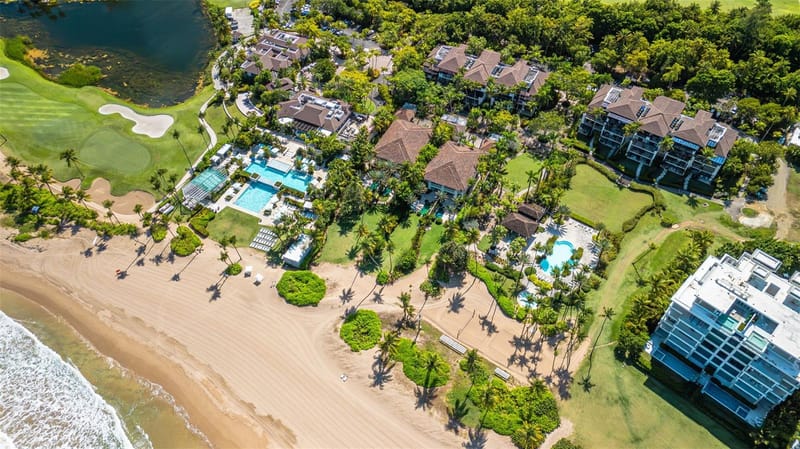

Act 60 Relocation Guide
Most of what is written about Act 60 is written by tax advisors. This page is written by a real estate broker who has spent twenty years closing homes for families moving to Puerto Rico. It covers the part of the decision the tax memo does not: where you will actually live, what the market looks like at each price point, and how a Puerto Rico purchase differs from one in the States. For the tax framework itself — including Act 38-2026 and the December 31, 2026 application date — see our Puerto Rico Tax Incentives (Act 60) page and, above all, your own Puerto Rico tax and legal advisors. Written by Antonio Cartagena, Broker-Owner of InvEstate Puerto Rico, licence C-13471, closing in Puerto Rico since 2005, with Lizvette Robles, licence C-23765. We are the brokers you will work with directly: we attend every showing and we answer the phone — (787) 717-6443.
Before December 31, 2026
Under Act 38-2026, resident investor applications filed by December 31, 2026 keep the 0% rate; applications filed from January 1, 2027 are generally taxed at 4%. The date is for filing your decree application, not for closing on a home: the decree then gives you two years to own your primary residence. Tell us your timeline and your budget and we will tell you what is realistically available in Dorado, Condado, Guaynabo and Río Grande. General information, not tax advice; confirm with your CPA or attorney.
First, the one thing every Act 60 buyer should hear
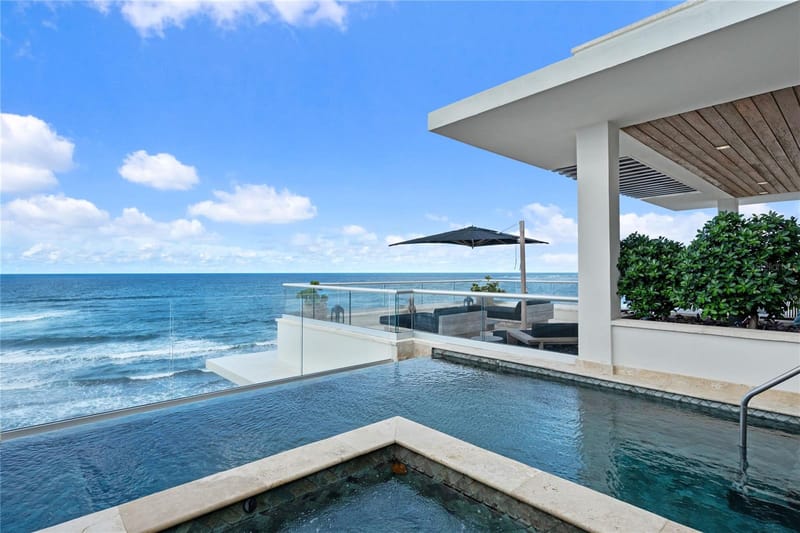
Owning a home in Puerto Rico and being a bona fide Puerto Rico resident are two different things. A residence is usually a central piece of a relocation plan, but the purchase by itself does not establish residency or Act 60 eligibility. Presence, tax home and closer-connection rules are decided with your CPA and attorney; our job is to make sure the home you choose fits the life those rules require you to build here. In practice, that means most of our Act 60 clients want three things from a property: a primary residence they will genuinely live in most of the year, a community where their family settles quickly (schools, security, neighbors), and an asset that holds value in a small, supply-constrained luxury market.
Step 1: Where Act 60 families actually live
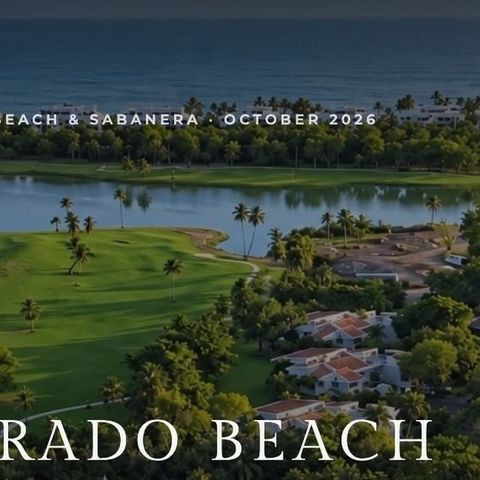
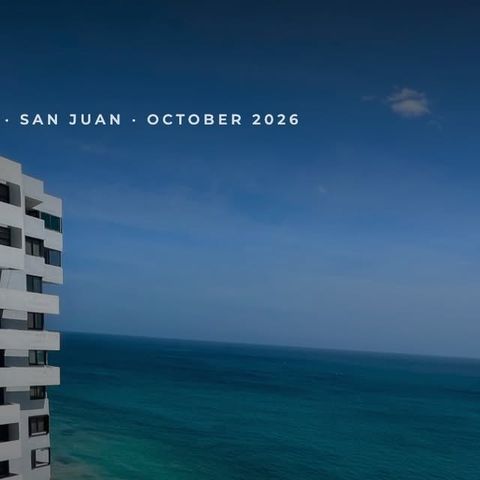
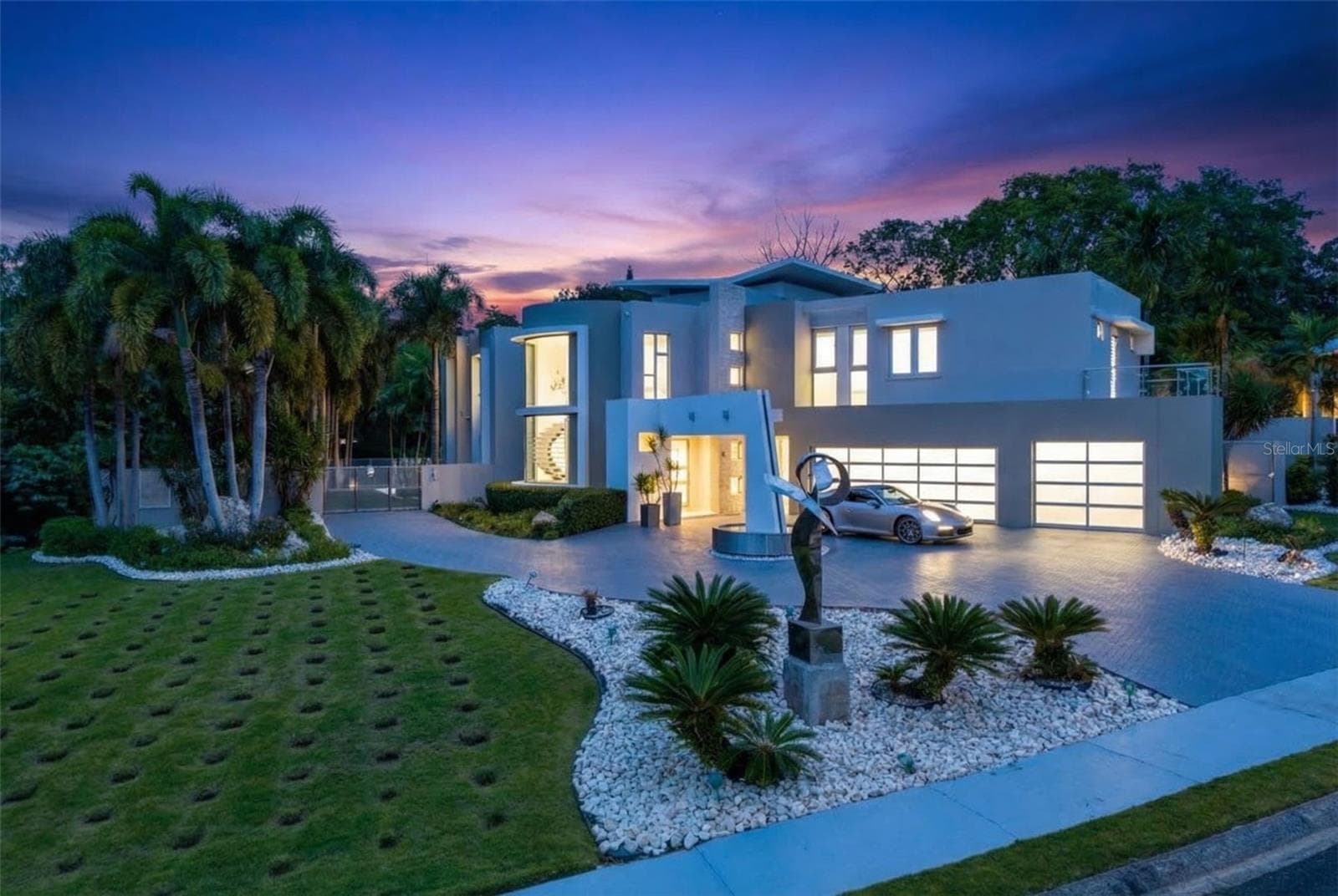
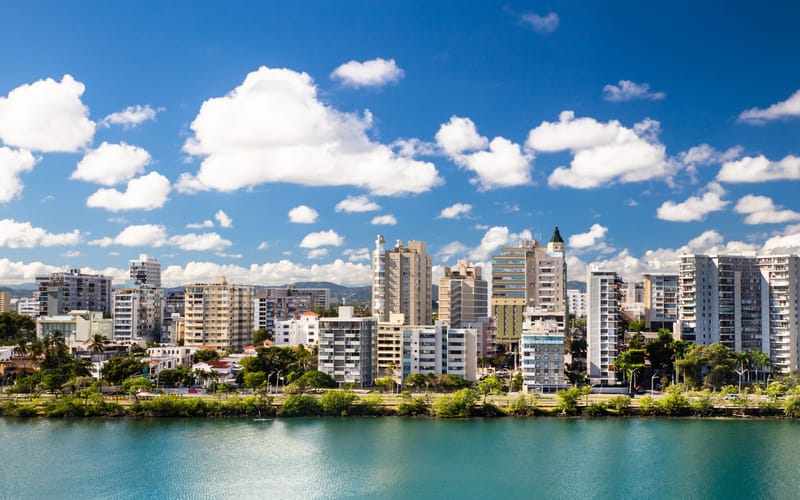
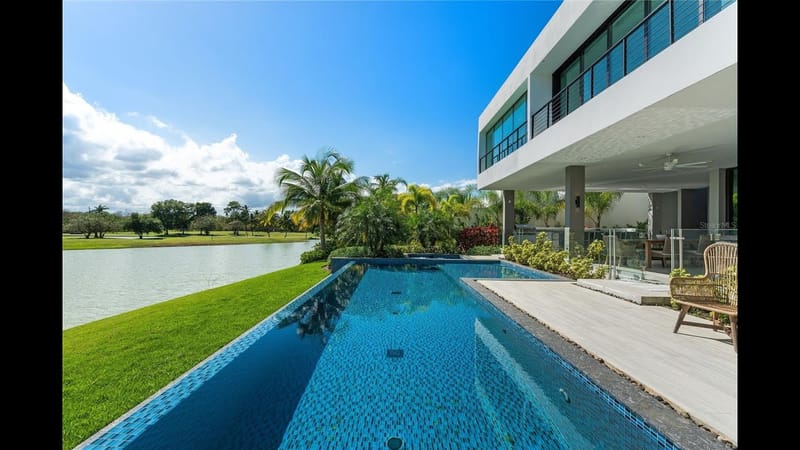
Puerto Rico is an island of seventy-eight municipalities, but the Act 60 relocation market concentrates in a handful of communities. These are the ones we show first, and why. Dorado. The reference point for relocation buyers. Gated, master-planned communities, the Dorado Beach resort, TASIS Dorado and Dorado Academy, and a short drive to San Juan. Inventory is limited and much of it trades privately. Best fit: families with school-age children and buyers who want a resort-style, low-density life. Condado. The urban option: oceanfront condominiums, walkable dining and hotels, and the closest thing Puerto Rico has to a Miami-style high-rise market. Best fit: couples and professionals who want to be in the city, lock-and-leave ownership, and the ICON, Vanderbilt and Ashford Avenue buildings.
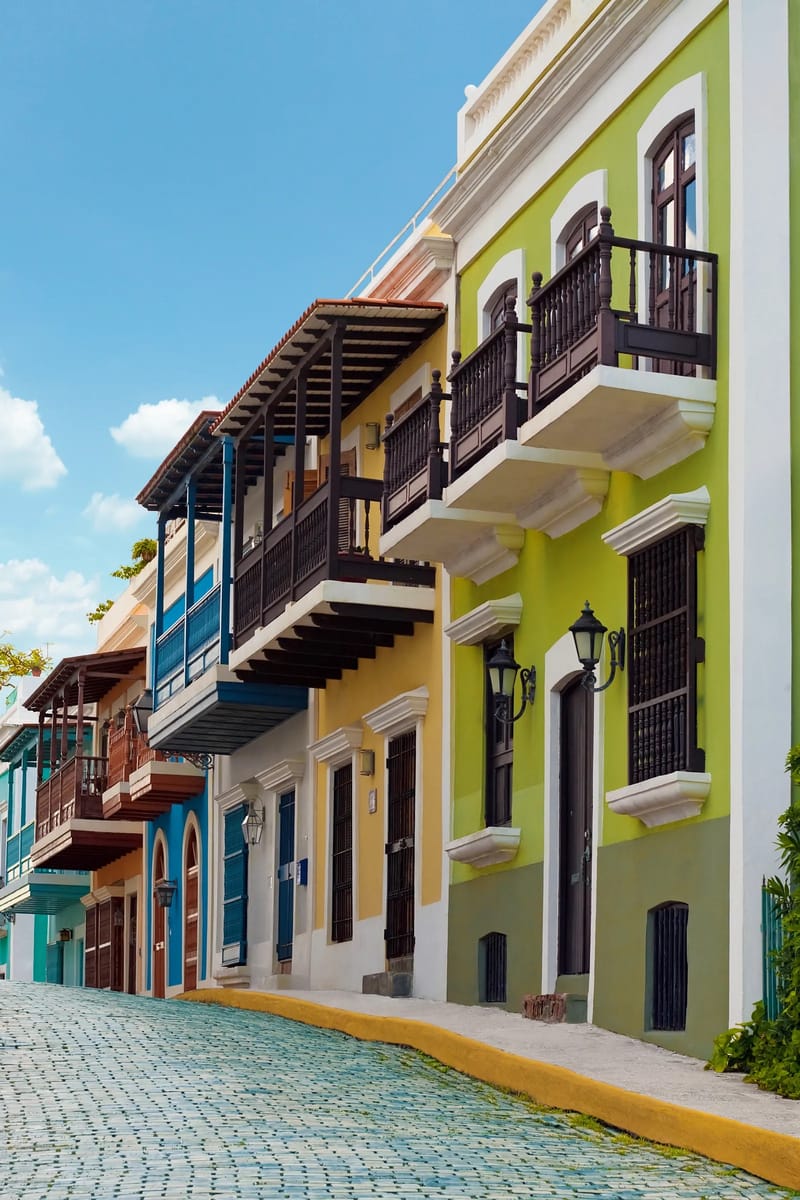
Guaynabo. Where much of San Juan's established business community lives. Large single-family homes in guarded neighborhoods, top private schools, and quick access to both the metro area and the airport. Best fit: executives running a Puerto Rico operation who want a house, not a condo. Río Grande and the East. Resort living at the foot of El Yunque: golf, marinas and beachfront communities such as those around Coco Beach and Grand Reserve, thirty to forty minutes from San Juan. Best fit: buyers who prioritize nature and space over proximity to the city. San Juan (Miramar, Ocean Park, Old San Juan). For buyers who want character over amenities: historic homes, art-deco buildings and neighborhoods with a real street life. The West Coast. Rincón, Aguadilla and Cabo Rojo attract a smaller, surf-and-sunset group of relocation buyers — more land, more privacy, a two-hour drive from the capital. We work the West Coast as well; ask us what is currently available.
Step 2: What Act 60 buyers actually buy
Across those communities the purchases fall into three patterns: The primary residence. A single-family home or large condominium in a gated community, bought to live in. This is the majority of our Act 60 work. The city apartment plus a weekend home. A Condado or Miramar condominium for the work week and a Dorado, Río Grande or West Coast property for weekends. New construction and branded residences. Pre-construction contracts in projects tied to hotel brands. These have their own risks and timelines; we cover them in our guide to branded residences. Whatever the pattern, our advice is the same: buy the property you would want even if the tax decree did not exist. Incentives change — Act 38-2026 is the latest example — and a home that only made sense because of a tax rate is a bad home.
Step 3: How a Puerto Rico purchase differs from a U.S. purchase
Buyers from the mainland are surprised by a few things. None of them are obstacles; they simply need to be planned for. The deed is signed before a notary attorney. In Puerto Rico the closing is a public deed executed by a notary who is also an attorney. Your own attorney can review the transaction, but the notary's role is central. Title work is done through the Property Registry. Your attorney orders a title study; timing varies by district. Build this into your schedule. Property tax is administered by CRIM. Every property has a CRIM account; we check that it is current and correctly registered before closing.
Many luxury transactions are cash, but financing exists. Local banks lend to relocation buyers; the underwriting is different from the mainland and starts earlier. We introduce clients to lenders who close these loans routinely. HOA and gate rules matter more here. In gated communities the association controls access, construction and rentals. We read the bylaws before you make an offer, not after. Inventory moves privately. In Dorado especially, a meaningful share of sales never reach the MLS. Access to those listings is a large part of what a local broker provides.
Step 4: A realistic timeline
Most of our relocation clients follow a similar sequence: a first visit to compare communities, a second, targeted visit once the family has narrowed to one or two, an offer and due diligence, and a closing coordinated with the legal and tax calendar the client's advisors have set. Where clients need to be in a home by a specific date, we start with that date and work backwards. Why work with InvEstate Antonio Cartagena has been a licensed Puerto Rico broker since 2005 (Lic. C-13471) and Lizvette Robles is a licensed broker (Lic. C-23765). We are a two-person boutique, which means the people you meet on the first visit are the people who negotiate your purchase and sit with you at the closing. We coordinate with your attorney, CPA and lender so the real estate decision fits the relocation plan — and we say no to properties that do not.
Frequently asked questions
Do I need to buy a home to qualify for Act 60?
Yes — and within a deadline. A Resident Individual Investor decree requires acquiring a Puerto Rico property as your primary residence within two years of obtaining the decree, individually or jointly with a spouse. For applications filed from January 1, 2027, the property must be held directly or through a trust — not through an entity — and title must be recorded, or pending recording, in the Puerto Rico Property Registry. Ownership alone does not establish bona fide residency, which is a separate test; but residency alone does not satisfy the decree either. You need both.
Which area is best for Act 60 families?
Dorado for families with children who want a gated, resort-style community; Condado for buyers who want the city and a condominium; Guaynabo for executives who want a large house near the metro area; Río Grande for space and nature. We help clients compare all of them on a single visit.
Can I finance a purchase as a new resident?
Yes. Local banks lend to relocation buyers, with underwriting that differs from the mainland. Start the conversation with a lender early; we can make the introduction.
Is inventory really that limited?
In the communities relocation buyers want most, yes. Much of Dorado's luxury inventory trades privately. Working with a broker who is active in those communities is the practical way to see it.
What changed with Act 38-2026?
Puerto Rico enacted Act 38-2026 on March 10, 2026. Applications submitted on or before December 31, 2026 remain under the framework applicable to that group; applications on or after January 1, 2027 pay a 4% preferential rate, through 2055, on qualifying interest, dividends and certain post-residency capital gains. See our Tax Incentives page and your advisors for details.
How long does the 0% Act 60 rate last?
Through 2035. If you file your decree application on or before December 31, 2026, interest and dividends are taxed at 0% on income earned before January 1, 2036, under Section 2022.01(a) as amended by Act 38-2026. The 2055 date you see in headlines belongs to the 4% regime, not to the 0%.
What is the Act 60 rate for applications filed in 2027?
4%, through 2055. Applications filed from January 1, 2027 pay 4% on interest, dividends and post-residency capital gains earned before January 1, 2056, under Section 2022.01(b). The filing date is set by the Incentives Portal timestamp, up to 11:59 p.m. on December 31, 2026.
How long must you have lived outside Puerto Rico to apply for Act 60 in 2027?
Six years. For applications filed after December 31, 2026, you must show you were not a Puerto Rico resident during the six years before your move, under Section 1020.02(a)(4). The old rule was a fixed window, not a number of years: no residency between January 17, 2006 and January 17, 2012.
Can you buy your Act 60 home through an LLC?
Not for applications filed from January 1, 2027. DDEC Bulletin 2026-004 limits the primary residence to title in your own name, jointly with your spouse, or in a trust described in Section 2022.07, recorded or pending in the Property Registry (Section 6020.10(c)). Applications filed before then, and decrees already approved, may still buy through an eligible Puerto Rico entity.
How much does an Act 60 decree cost each year?
At least $15,000: a $10,000 annual donation to Puerto Rico non-profit entities and a $5,000 fee with the annual report. That is before your attorney, your CPA and the home you are required to buy within two years of the decree.
Can an existing Act 60 decree switch to the 4% regime?
Yes, if you request it. Section 6020.03(d) lets a current decree holder ask to move to the 4% regime through 2055. You cannot keep both: it is ten more years at 0% or thirty at 4%, and the change is never automatic. Confirm it with your Puerto Rico tax attorney or CPA.
Can InvEstate help with the tax application?
We focus on the real estate side. We work alongside your attorney and CPA and can introduce you to professionals who handle decree applications.
Who is the best real estate agent in Puerto Rico for Act 60 buyers?
There is no single best agent, and anyone who tells you otherwise is selling. What matters is a licensed Puerto Rico broker who actually closes in the communities you are considering, and who will show you the closed sales before recommending a price. At InvEstate those brokers are Antonio Cartagena, licence C-13471, closing in Puerto Rico since 2005, and Lizvette Robles, licence C-23765. We work Dorado and Dorado Beach, Condado and San Juan, Guaynabo, Río Grande — Bahía Beach, Grand Reserve and Río Mar — and the west coast from Rincón to Cabo Rojo. Every price we put in front of a client is built from sales reported closed in the Stellar MLS for that exact community in the last twelve months, never from asking prices. Ask any broker you interview the same question: which buildings or streets have you personally closed in during the past twelve months, and can you show me the numbers?
Let's connect
Tell us your timeline, your budget and the life you want to build here. We answer the phone: (787) 717-6443 · Antonio@investatepr.com By property type: Luxury condos for sale in Puerto Rico · Beachfront and oceanfront homes for sale · Who you are hiring: a licensed Puerto Rico realtor · Casas de lujo en venta en Puerto Rico (español)
The Act 60 real estate library
Twenty years of closings, written down. Start with the stage you are actually in. Before you decide: The new 4% investor tax, explained · Individual Investor or Export Services: which decree fits you · Puerto Rico vs the US Virgin Islands for high-net-worth relocation · Is Puerto Rico still worth it in 2026 The residency rules that touch your property: The 183-day rule and bona fide residency · The Act 60 property purchase requirement: the two-year rule · Act 60 before December 31: the real estate checklist for the 2026 deadline · Act 60, IRS scrutiny and real estate: why timing and structure matter Where Act 60 families actually buy: Where should you live as an Act 60 buyer: a strategic breakdown · Oceanfront or gated community: which is the smarter buy · Schools near Dorado and Guaynabo, before you buy
Neighborhood guides: Dorado, Puerto Rico real estate and homes for sale · Condado, Puerto Rico real estate and new developments · Guaynabo real estate and gated communities · Rio Grande and Bahia Beach real estate Living it: What the Act 60 community actually looks like in 2026 · A week in the life of an Act 60 resident · Your first 90 days in Puerto Rico · Why some buyers regret moving here, and how to avoid it · Healthcare for relocating families: hospitals, insurance and what to expect If you already have a decree: Puerto Rico property taxes in 2026 · Selling your property to Act 60 buyers · Leaving Act 60: what happens to your property
This page is general information from a real estate broker, not legal, tax or investment advice. Act 60 eligibility and tax treatment depend on individual circumstances, decree terms, residency requirements and continuing compliance. Consult qualified Puerto Rico legal and tax professionals.