Puerto Rico Tax Incentives (Act 60)
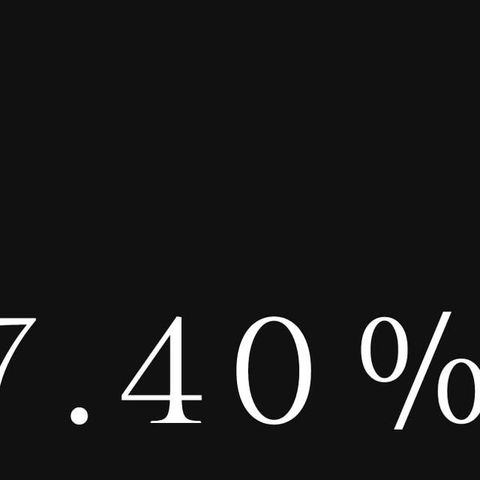
The complete guide to Act 60 in 2026 and 2027: the December 31, 2026 filing date, the 4% rate from 2027 and who qualifies.
What Decides Your Decree
01 · File by December 31, 2026
Applications filed by then keep 0% on interest and dividends through 2035.
02 · Buy your home within two years
The decree requires a primary residence in Puerto Rico. From 2027, title goes in your name, with your spouse or in a trust.
03 · Live here, every year
Presence, tax home and closer connection decide residency each year, with your CPA, not with a deed.
December 31, 2026
Last day to file for the 0% rate. From January 1, 2027, new decrees pay 4% through 2055.
What You Need to Know Before You Move
0% through 2035
File your decree application by December 31, 2026 and interest and dividends are taxed at 0% through 2035. Sec. 2022.01(a)
4% through 2055
Applications filed from January 1, 2027 pay 4% on interest, dividends and post-residency capital gains. Sec. 2022.01(b)
6 years of non-residency
For 2027 applications, you must show you were not a Puerto Rico resident for the six years before your move. Sec. 1020.02(a)(4)
2 years to buy your home
The decree gives you two years to acquire your primary residence. From 2027, title goes in your name, with your spouse or in a trust, not in an LLC. Sec. 6020.10(c) · DDEC Bulletin 2026-004
$10,000 a year in donations
Each year you donate $10,000 to Puerto Rico non-profits, and the annual report carries a $5,000 fee. Act 60, as amended
Already have a decree?
You can request a move to the 4% regime through 2055. You cannot keep both, and the change must be requested; it is never automatic. Sec. 6020.03(d)
General information from a real estate brokerage, reviewed November 2026. Not legal or tax advice: confirm with your attorney or CPA.
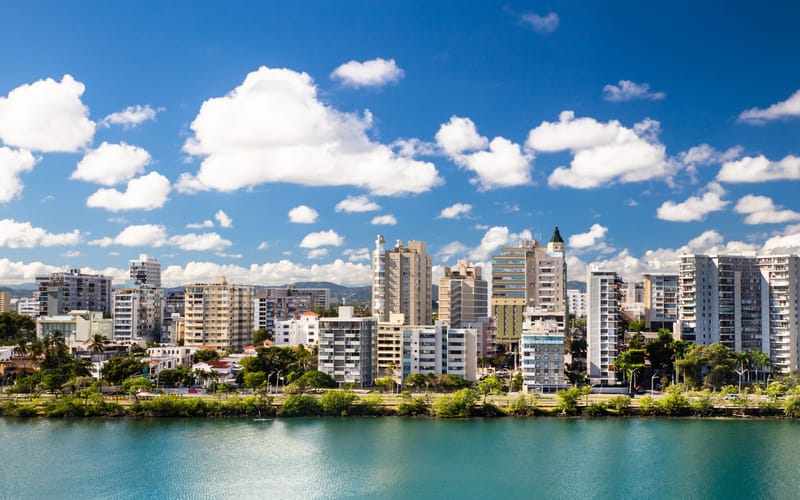
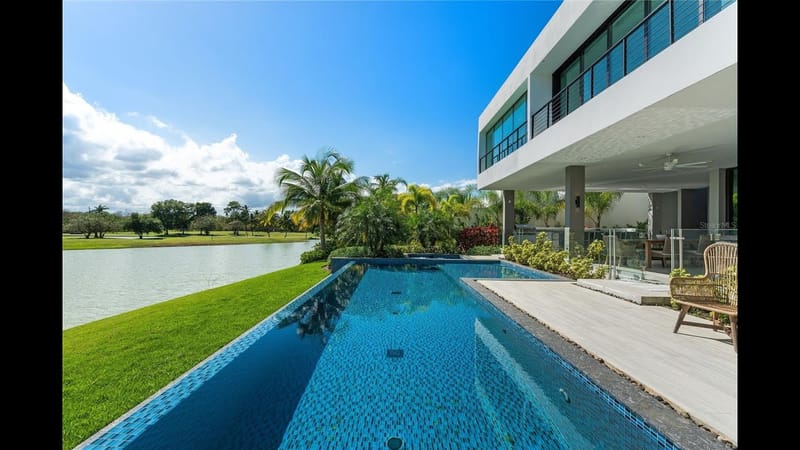
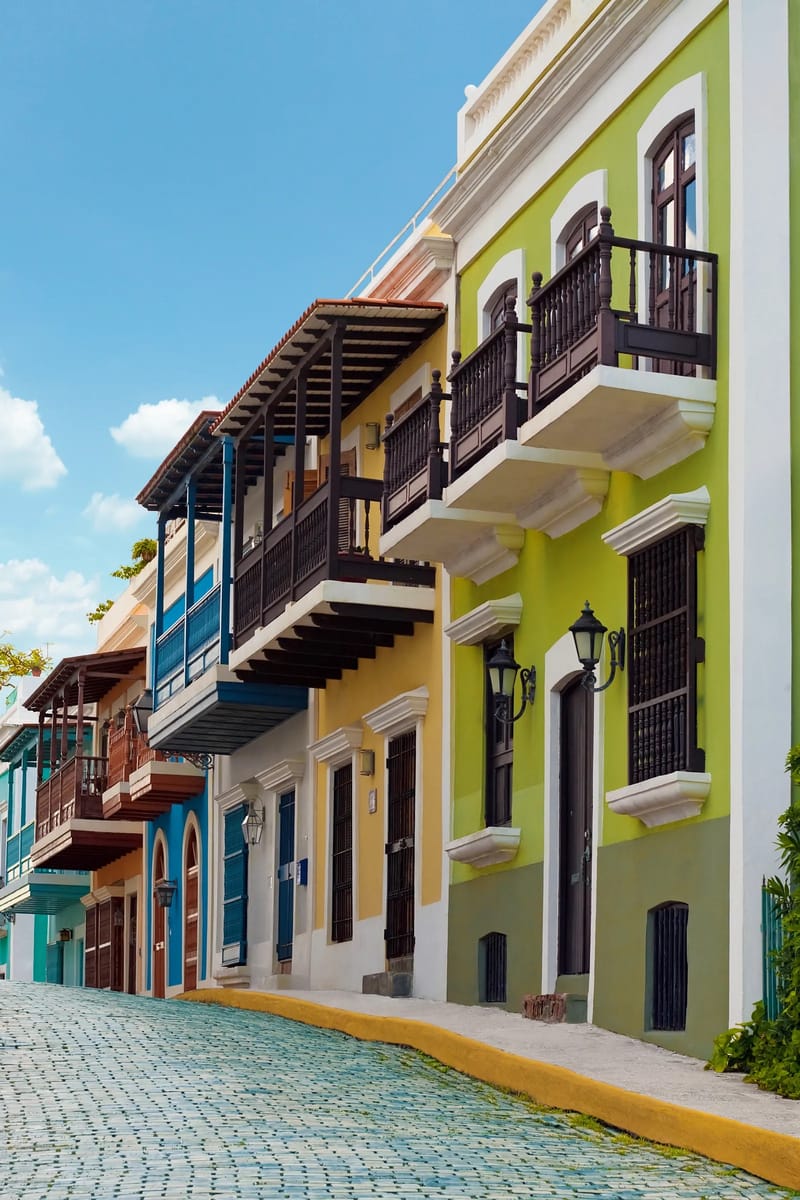
The Life You Are Moving For
See all neighborhoods

Keep Exploring
Act 60 in 2026: The Complete Guide for Anyone Moving to Puerto Rico
Reviewed on November 12, 2026 by Lizvette Robles (license C-23765) and Antonio Cartagena (license C-13471), licensed Puerto Rico real estate brokers, against the official texts: Act 38-2026, DDEC Bulletin 2026-004, DDEC Circular Letter 2026-001, the Incentives Code (Act 60-2019) and IRS Publication 570. Every benefit depends on eligibility, decree approval and continuing compliance.
Applying in 2026 vs. 2027
The comparison covers the Resident Individual Investor program, formerly known as Act 22. The date that decides which column applies is the date you file, not the date your decree is approved.
| Topic | Filed by December 31, 2026 | Filed from January 1, 2027 |
|---|---|---|
| Interest and dividends | 0% Puerto Rico tax | 4% Puerto Rico tax |
| Capital gains on appreciation after you become a resident | 0% Puerto Rico tax | 4% Puerto Rico tax |
| Benefit runs through | December 31, 2035 | December 31, 2055 |
| Prior residency | Not a Puerto Rico resident between January 17, 2006 and January 17, 2012 | Not a Puerto Rico resident in the six years before your move |
| Primary residence | Buy within two years of the decree | Buy within two years of the decree |
| Who holds the title | Prior rules, which may allow an eligible Puerto Rico entity | You, you and your spouse, or a grantor trust under Section 2022.07; no LLC |
| Property Registry | Prior rules | Title registered, or the deed presented for registration |
| Federal tax | Separate analysis | Separate analysis |
Act 60 in 2026 and 2027, Question by Question
What is the Act 60 tax rate in 2026 and 2027?
If you file your Resident Individual Investor application by 11:59 p.m. on December 31, 2026, Puerto Rico taxes your qualifying interest, dividends and post-move capital gains at 0% through 2035. File on or after January 1, 2027 and the rate is 4% through 2055. Act 38-2026, signed on March 10, 2026, made the change. Both are Puerto Rico rates: neither one changes what you owe the IRS, which depends on your residency and the source of each income.
What counts as filing before December 31, 2026?
An application received through the DDEC Incentives Portal by 11:59 p.m. on December 31, 2026, as shown by the time stamp of the filing-fee payment (Bulletin 2026-004, I.2). An application filed by then keeps the 0% framework even if the decree is approved in 2027. Buying a home or starting a draft in the Portal does not count as filing.
Can I keep 0% until 2035 and then switch to 4% until 2055?
Not in the same decree. If you choose coverage through 2055, the 4% applies from the start (Bulletin 2026-004, I.4). What DDEC does allow is to keep the 0% decree and, in 2035, its last year, ask to extend it to 2055. That request is treated as a new application at 4%, effective January 1, 2036, and only if the rules of Act 38-2026 are still in force then (Bulletin 2026-004, I.4).
I already applied in 2026. Can I move to the 4% regime?
Yes. You file a sworn amendment in the Incentives Portal and expressly waive the 0% rate (Bulletin 2026-004, I.3).
I already have an Act 60 decree. Is it extended automatically to 2055?
No. You must ask for a modification at any time until December 31, 2035. If it is approved, the 4% normally applies from January 1 of the year you file the request (Section 6020.03(d); Bulletin 2026-004, I.5). An approved extension changes your tax framework, so get advice before you request it.
How long must I have lived outside Puerto Rico to apply for Act 60?
It depends on when you file. For applications filed by December 31, 2026, you cannot have been a Puerto Rico resident between January 17, 2006 and January 17, 2012. For applications filed from January 1, 2027, you cannot have been a Puerto Rico resident during the six years before your move (Section 1020.02(a)(4)).
Does a criminal record matter for an Act 60 decree?
Yes. The DDEC asks for a certificate of criminal record from your last place of residence and runs a full background check. Convictions for fraud (wire, bank, securities, tax or mail) or economic crimes, or a pattern of offenses, are grounds to deny or archive an application (Bulletin 2026-004, II.3).
What does the IRS require to be a bona fide Puerto Rico resident?
Three tests, every year, under IRC Section 937: Presence. Spend at least 183 days a year in Puerto Rico, or meet one of the other presence tests in IRS Publication 570, and keep records of your travel. Tax home. Your main place of work or business must be in Puerto Rico, subject to the exceptions in the federal rules. Closer connection. Your home, family, bank accounts, driver's license and voter registration must point to Puerto Rico, not to a U.S. state. You file Form 8898 with the IRS in the year you become a resident if your worldwide gross income is over $75,000. The IRS's own example in Publication 570 is a taxpayer who kept his California house, accounts, license and voter registration. He was not a bona fide resident.
Do I have to buy a home in Puerto Rico for Act 60?
Yes. You must buy a property as your primary residence within two years of receiving the decree, from a seller with no relation to you, and keep full ownership of it as your primary residence for the whole life of the decree, reporting it every year (Section 6020.10(c), as amended by Act 38-2026, Article 5). You do not need to buy it before December 31, 2026: that date is for filing the application.
Can I buy my Act 60 home through an LLC?
Not if you apply from January 1, 2027. Title must be in your own name, jointly with your spouse, or in a grantor trust that qualifies under Section 2022.07, and it must be registered in the Puerto Rico Property Registry or the deed presented for registration (Section 6020.10(c); Bulletin 2026-004, III). Applications filed in 2026 and decrees already approved may still buy through an eligible legal entity organized in Puerto Rico. The exception almost nobody mentions: if you already hold a decree and ask to extend it to 2055 before you have bought and reported your home, you fall under the new rule. That means no LLC.
Does buying a home in Puerto Rico make me a resident?
No. The home is one requirement of the decree; residency is a separate test with the IRS. A vacation home alone does not establish bona fide residency. You need both.
How much does an Act 60 decree cost each year?
At least $15,000 a year: $10,000 in donations and a $5,000 fee with the annual report. The $10,000 is split into $5,000 to eligible organizations fighting child poverty, $2,500 to the Special Fund for Social Equality and $2,500 to other eligible Puerto Rico non-profits; the $2,500 to the Fund is part of the $10,000, not on top of it (Section 6020.10; DDEC Circular Letter 2026-001).
What are the annual obligations of an Act 60 decree?
Every year you file the annual report, which since tax years beginning after December 31, 2024 goes together with your Puerto Rico tax return, make the donations, keep your primary residence and meet the residency tests and the other conditions of your decree. Late or missing reports can be fined up to $10,000 (Section 6020.10). There is also an application fee set by regulation; confirm the current amount with your incentives attorney.
Does the 4% rate apply to every kind of income?
No. The Resident Individual Investor decree covers qualifying interest, dividends and certain capital gains (Sections 2022.01 and 2022.02). Salaries and the income of an operating business need their own analysis, and export services are a separate Act 60 incentive with its own decree.
Does Act 60 eliminate federal tax?
Only on Puerto Rico-source income. Under IRC Section 933, a bona fide resident excludes Puerto Rico-source income from the federal return; having a decree and living here does not turn other income into excluded income: Capital gains. A gain on stock you bought after becoming a resident is normally Puerto Rico-source, and free of federal tax. Dividends and interest. A dividend from a U.S. corporation, or interest from a U.S. bank, is generally U.S.-source. It still pays federal tax, even with a decree.
What happens to investments I owned before moving to Puerto Rico?
The appreciation from before your move has its own rules. In Puerto Rico, the long-term gain attributable to it pays 5% if you recognize it after ten years of residency and before January 1, 2036 (applications filed in 2026) or before January 1, 2056 (applications filed from 2027). At any other time, the Puerto Rico Internal Revenue Code applies (Section 2022.02). On the federal side, if you were a U.S. resident in any of the ten years before your move, that gain still pays federal tax.
Which states do Act 60 investors come from?
About 57% came from California, Florida, New York or Texas, according to the GAO's analysis of people who claimed the incentive on their 2021 Puerto Rico returns (GAO-26-107225, Table 2, base of 1,917 filers with an identifiable prior state).
| State | Share of 2021 Act 60 filers |
|---|---|
| California | 19.9% |
| Florida | 15.1% |
| New York | 13.2% |
| Texas | 9.1% |
| New Jersey | 4.5% |
| Illinois | 4.1% |
| Nevada | 3.9% |
| Colorado | 2.7% |
| Massachusetts | 2.6% |
How much state tax would I stop paying by moving to Puerto Rico?
It depends on the state. California's top rate on interest, dividends and long-term capital gains is 13.3% in 2026; Florida, Texas and Nevada charge 0%. Top rates as of January 1, 2026 (Tax Foundation; New York instructions IT-2105-I):
| State | Top rate 2026 | From |
|---|---|---|
| California | 13.3% (includes the 1% Mental Health Services Tax) | $1,000,000 |
| New York City | 9.65% state + 3.876% city | $1,077,550 (state) |
| New Jersey | 10.75% | $1,000,000 |
| Massachusetts | 9% (5% + 4% surtax) | $1,083,150 |
| Illinois | 4.95% flat | first dollar |
| Colorado | 4.4% flat | first dollar |
| Florida, Texas, Nevada | 0% | — |
How much would someone with a $1 million gain save under Act 60?
In this illustration, a Californian pays up to about $445,200 by staying home and about $62,600 in Puerto Rico with a decree filed in 2026, or about $110,600 with one filed in 2027. It assumes a single filer with a $1,000,000 long-term gain on stock bought after becoming a Puerto Rico resident and $200,000 of dividends from U.S. companies, with federal tax at the 23.8% top rate (20% + 3.8%); the real figure is somewhat lower. It is an illustration with 2026 top published rates, not tax advice.
| Moving from | Stays home (federal + state) | Puerto Rico: decree filed in 2026 · in 2027 |
|---|---|---|
| California | up to ~$445,200 | ~$62,600 · ~$110,600 |
| New York City | up to ~$447,800 | ~$62,600 · ~$110,600 |
| Illinois | up to ~$345,000 | ~$62,600 · ~$110,600 |
| Florida or Texas | up to ~$285,600 | ~$62,600 · ~$110,600 |
The Puerto Rico columns include the $47,600 of federal tax on the U.S. dividends, which does not change, the 4% where it applies, and the $15,000 a year the decree costs. Most of the saving is federal, not state. Up to $238,000 here comes from the gain becoming Puerto Rico-source. That is why Florida and Texas, with no state income tax, are the second and fourth states people come from. The state adds, it does not decide. A Californian or a New York City resident adds about $160,000 a year to the saving; someone from Illinois, about $60,000. Filing in 2026 or in 2027 changes this example by $48,000 a year, which is the 4%.
The Checklist Before You Decide
File your application through the DDEC Incentives Portal by 11:59 p.m. on December 31, 2026 if you want the 0% rate. The filing-fee time stamp is what counts. Confirm the residency window or the six-year rule that applies to you. Plan to spend 183 days a year here, and move your tax home and your life. Buy your primary residence within two years, from an unrelated seller. If you apply in 2027, put the title in your name, with your spouse or in a Section 2022.07 grantor trust, not in an LLC. Budget $15,000 a year for the decree, plus your Puerto Rico CPA's annual report. File Form 8898 with the IRS and keep records of your days. The GAO found that only half of 2021's Act 60 investors filed it, and the IRS has agreed to tighten oversight.
Relocation Begins with More than Tax Planning
Understanding Act 60 is one part of the decision. Choosing where and how to live in Puerto Rico is another. InvEstate Puerto Rico advises relocation buyers on the real estate side of the move, from comparing communities such as Dorado, Condado, Guaynabo, Río Grande and Isla Verde to evaluating properties, negotiating the purchase and coordinating the closing with your attorneys, CPAs, lenders and other advisors. Not sure where to start? Read our broker's guide to Act 60 real estate in Puerto Rico: where Act 60 families actually live, what they buy, and how a Puerto Rico closing works. Or call us at (787) 717-6443.
Official Sources
Act 38-2026, official text (OGP) DDEC Informative Bulletin 2026-004 DDEC Circular Letter 2026-001, annual donations Puerto Rico Incentives Code, Act 60-2019 (OGP) IRS Publication 570 General information from Antonio Cartagena (license C-13471) and Lizvette Robles (license C-23765), licensed Puerto Rico real estate brokers. We handle the real estate side of your move. This page is not legal, tax, accounting or investment advice: benefits depend on the law, your circumstances, the terms of your decree and continuing compliance. Confirm every figure with your Puerto Rico incentives attorney and your CPA.

What Our Act 60 Clients Ask First
When Does the New 4% Rate Begin? For Resident Individual Investor decree applications submitted on or after January 1, 2027, Act 38-2026 generally establishes a 4% preferential Puerto Rico income tax rate for qualifying interest, dividends, and qualifying post-residency net capital gains, subject to the statute and decree terms. What Happens If I Apply Before December 31, 2026? Act 38-2026 preserves the statutory treatment applicable to Resident Individual Investors who submit their decree application on or before December 31, 2026, subject to eligibility, decree terms, residency, and continuing compliance. Do I Have to Buy a Home in Puerto Rico to Qualify? Yes — and within a deadline. A Resident Individual Investor decree requires acquiring a Puerto Rico property as your primary residence within two years of obtaining the decree, individually or jointly with a spouse. For applications filed from January 1, 2027, the property must be held directly or through a trust — not through an entity — and title must be recorded, or pending recording, in the Puerto Rico Property Registry. Ownership alone does not establish bona fide residency, which is a separate test; but residency alone does not satisfy the decree either. You need both. Do I Have to Sell My U.S. Home? Not necessarily. However, maintaining a home outside Puerto Rico may be relevant to the facts-and-circumstances analysis surrounding tax home and closer connection. This should be reviewed with qualified tax counsel. What Changed for People Applying After 2026? In addition to the new preferential tax framework, applicants submitting after December 31, 2026 must demonstrate that they were not Puerto Rico residents for at least six years before moving to Puerto Rico. How Can InvEstate Puerto Rico Help? INVESTATE Puerto Rico focuses on the real estate side of relocation. We help clients evaluate communities, understand local housing markets, identify public and private opportunities, analyze properties, negotiate acquisitions, and coordinate the real estate transaction alongside the client’s legal, tax, and financial advisors.
Disclaimer
This page is provided for general informational purposes only and does not constitute legal, tax, accounting, or investment advice. Act 60 eligibility and tax treatment depend on individual circumstances, decree terms, residency requirements, applicable law, and continuing compliance. Consult qualified Puerto Rico legal and tax professionals before making decisions. Last reviewed: September 30, 2026.
Planning a Move to Puerto Rico?
Act 60 may influence the financial side of your relocation. We help you navigate the real estate side. From choosing the right community to evaluating and acquiring the right property, INVESTATE Puerto Rico provides local representation throughout your move.
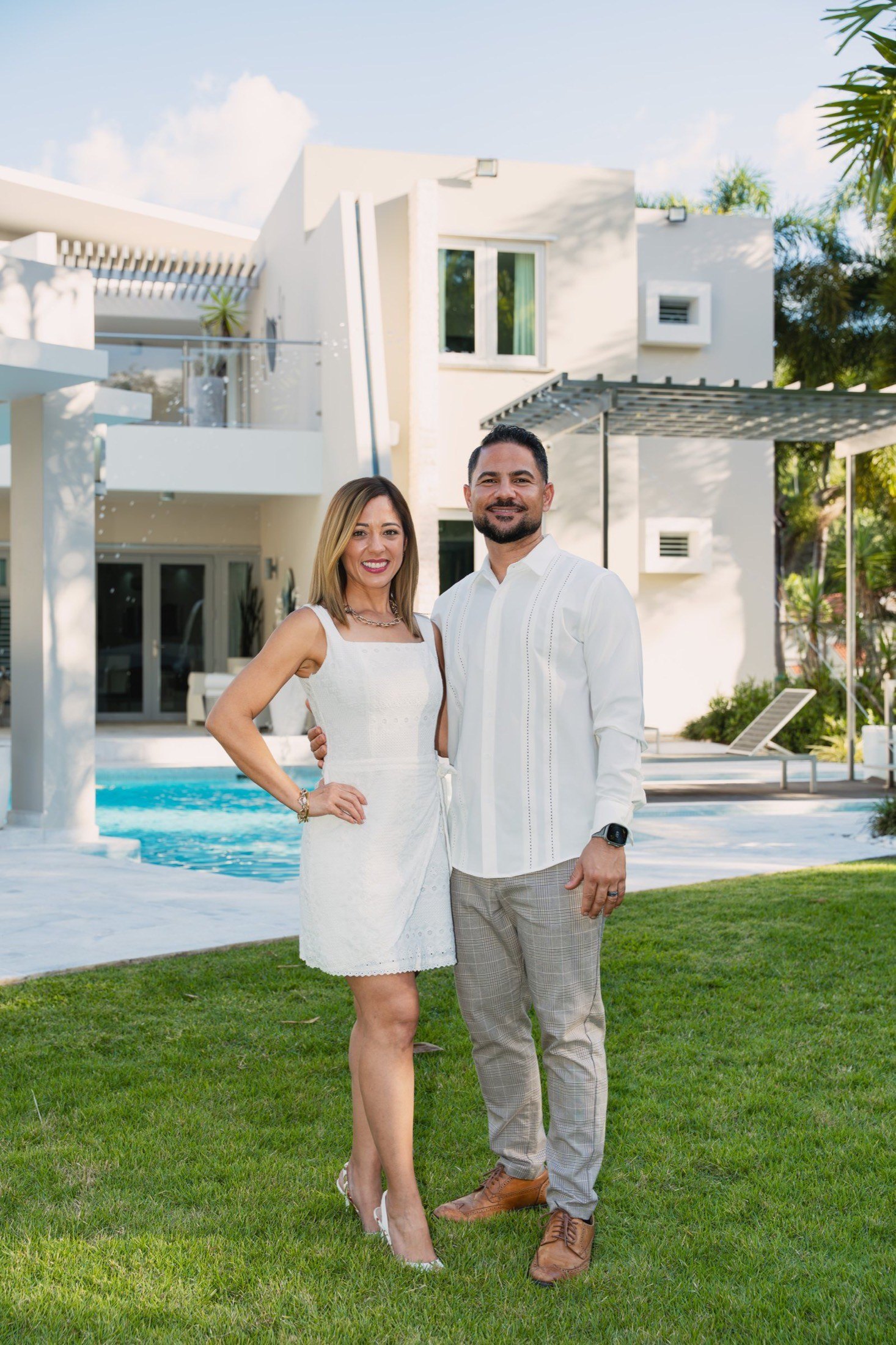
Buying
Find the right home in Puerto Rico, with people who know each community.